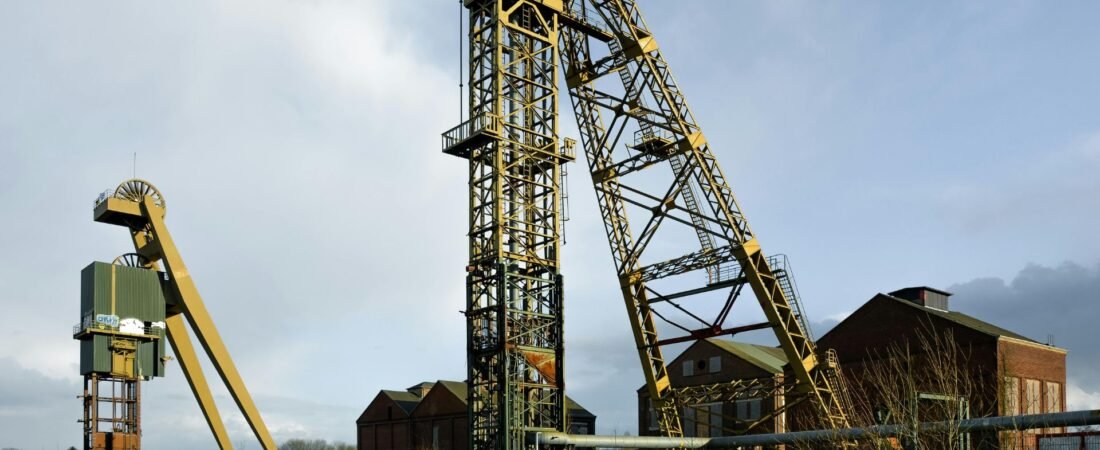
Remote mining facilities operate in isolated regions where access to infrastructure support, skilled labor, and repair resources is limited. These sites depend on reliable building maintenance services to keep operations stable, safe, and productive. Buildings in remote mining environments are exposed to extreme temperatures, dust storms, heavy machinery vibration, and long-distance logistical challenges.
Mining facilities include accommodation camps, processing plants, workshops, fuel stations, warehouses, control rooms, and storage units. Each structure must function continuously to support production targets and workforce safety. Industrial infrastructure services in Western Australia provide specialized maintenance solutions designed for remote mining operations and harsh environmental conditions.
Importance of Maintenance in Remote Mining Facilities
Remote mining sites operate 24 hours a day in isolated regions. Limited access to repair services increases the need for structured and preventive maintenance programs. Any infrastructure failure can result in operational delays due to travel time for technicians and equipment delivery.
Building maintenance service ensures that structural systems, electrical networks, plumbing systems, and HVAC units remain operational. Regular inspections reduce the risk of sudden breakdowns in critical infrastructure.
Safety is also a key factor in remote mining operations. Faulty electrical systems, damaged structures, and poor ventilation can increase workplace hazards. Maintenance services help ensure compliance with Australian mining safety regulations.
Industrial infrastructure services in Western Australia support remote mining companies with planned maintenance schedules and emergency repair solutions for isolated sites.
Structural Maintenance for Remote Mining Buildings
Structural integrity is essential in remote mining environments due to constant exposure to harsh weather and industrial activity. Buildings are constructed using steel frames, reinforced concrete, and heavy-duty roofing systems designed for long-term durability.
Structural maintenance includes inspection of beams, columns, floors, roofing systems, and support structures. Corrosion is a major issue in remote regions due to humidity, dust, and temperature variations.
Repair services include welding, steel reinforcement, concrete patching, roof sealing, and protective coating applications. Regular inspections help detect cracks, rust, and structural movement before major failures occur.
Industrial infrastructure services in Western Australia provide structural maintenance programs specifically designed for remote mining conditions and long-distance operational support.
Electrical Maintenance in Remote Mining Operations
Electrical systems in remote mining facilities support heavy machinery, processing plants, lighting systems, communication networks, and emergency backup systems. Reliable electrical maintenance is essential for continuous operations.
Maintenance tasks include switchboard testing, cable inspections, generator servicing, transformer checks, and thermal imaging analysis. These processes help identify electrical faults such as overheating, load imbalance, and insulation damage.
Backup power systems are critical in remote mining locations because power interruptions can stop production and affect safety systems. Regular servicing ensures system readiness and reduces operational risk.
Industrial infrastructure services in Western Australia provide electrical maintenance support for remote mining operations with specialized field teams and mobile equipment.
HVAC and Ventilation Maintenance in Remote Sites
Remote mining facilities often operate in environments with extreme heat and dust exposure. HVAC and ventilation systems regulate indoor air quality and temperature in operational buildings and accommodation camps.
Ventilation systems are essential in workshops, processing units, control rooms, and living quarters. Poor air circulation can reduce worker efficiency and increase health risks.
Maintenance services include air filter replacement, duct cleaning, airflow balancing, refrigerant inspection, and fan system servicing. These tasks ensure consistent air quality and system performance.
Industrial infrastructure services in Western Australia provide HVAC maintenance solutions for remote mining camps and industrial facilities located in isolated regions.
Plumbing and Water Infrastructure Maintenance
Remote mining facilities depend on stable plumbing systems for water supply, wastewater management, and sanitation. Limited access to water resources increases the importance of efficient system maintenance.
Plumbing maintenance includes pipe inspections, leak detection, water pressure testing, and wastewater treatment servicing. Drainage systems are also critical to prevent flooding during heavy rainfall.
Stormwater management systems must function correctly to protect infrastructure such as roads, foundations, and storage areas. Regular inspections reduce the risk of water damage and system failure.
Industrial infrastructure services in Western Australia support remote mining operations with plumbing and water system maintenance programs designed for isolated environments.
Preventive Maintenance for Remote Mining Infrastructure
Preventive maintenance is essential in remote mining facilities due to limited access to emergency repair resources. This approach focuses on planned inspections, scheduled servicing, and system monitoring.
Preventive maintenance includes structural assessments, electrical testing, HVAC servicing, corrosion monitoring, and roof inspections. These activities help identify issues early and reduce unexpected breakdowns.
Digital maintenance systems are often used to track asset performance, schedule repairs, and monitor infrastructure conditions across remote sites.
Industrial infrastructure services in Western Australia apply preventive maintenance strategies to improve reliability and reduce operational risks in remote mining operations.
Safety and Compliance in Remote Mining Maintenance
Remote mining facilities must comply with Australian workplace safety and environmental regulations. Maintenance services support compliance by ensuring all infrastructure systems operate safely.
Safety inspections include fire systems, emergency exits, electrical panels, ventilation systems, and structural components. These inspections reduce workplace hazards and support safe working conditions.
Environmental compliance includes wastewater management, fuel storage inspection, dust control systems, and drainage monitoring. Proper maintenance helps reduce environmental impact in sensitive regions.
Remote sites require additional safety procedures due to isolation and limited emergency access. Maintenance teams follow strict safety protocols, risk assessments, and operational planning procedures.
Technology in Remote Mining Maintenance
Technology improves maintenance efficiency in remote mining operations. Drones are used for structural inspections, roof surveys, and remote site monitoring. Thermal imaging detects electrical faults and insulation issues before failure occurs.
Predictive maintenance systems use sensors to monitor equipment condition and identify early signs of wear. This reduces downtime and improves maintenance planning accuracy.
Digital maintenance platforms store inspection records, track repairs, and manage infrastructure data across multiple remote sites.
FAQ
Why are expert maintenance services important for remote mining facilities?
Expert maintenance services ensure safety, reduce downtime, support infrastructure reliability, and maintain continuous operations in isolated mining environments.
What buildings are maintained in remote mining sites?
Remote mining facilities include accommodation camps, processing plants, workshops, warehouses, control rooms, storage facilities, and operational buildings.
What is preventive maintenance in remote mining operations?
Preventive maintenance involves scheduled inspections and servicing to detect and repair issues before major infrastructure failures occur.
How often should remote mining facilities be inspected?
Inspection frequency depends on environmental conditions and operational activity. Many remote sites follow monthly, quarterly, and annual maintenance schedules.
How do Industrial infrastructure services in Western Australia support remote mining sites?
Industrial infrastructure services in Western Australia provide structural maintenance, electrical servicing, HVAC support, plumbing maintenance, corrosion control, and emergency repair services for remote mining facilities.
Conclusion
Expert building maintenance services are essential for remote mining facilities operating in isolated and high-demand environments. Infrastructure systems in these locations face continuous stress from environmental conditions and operational activity.
Professional maintenance programs improve safety, reduce downtime, extend infrastructure lifespan, and support regulatory compliance. Preventive maintenance systems, modern monitoring technology, and skilled field teams ensure operational stability across remote mining sites.
Industrial infrastructure services in Western Australia continue to provide specialized maintenance solutions for remote mining operations. These services support infrastructure reliability, worker safety, and continuous production in isolated mining regions across Australia.